


Good afternoon! It’s Friday, January 16, 2026. This morning, I’m answering your questions — and you all sent in some great ones. We’ll be tackling:
What it would mean if Trump invokes the Insurrection Act (and how the Supreme Court might respond)
Whether anyone could stop Trump if he decided to invade Greenland (and how likely I think an invasion is)
Whether the Trump administration is failing to comply with the law to release the Epstein Files
The state of play on extending the enhanced Obamacare subsidies
Whether I would ever run for political office
And more!
As always, Q&A columns are available exclusively for paid subscribers, so click below to upgrade if you want to support my journalism and get access to these extra features!
There will be no newsletter on Monday for MLK Day, so I will see you in your inboxes on Tuesday. Have a great long weekend! — Gabe
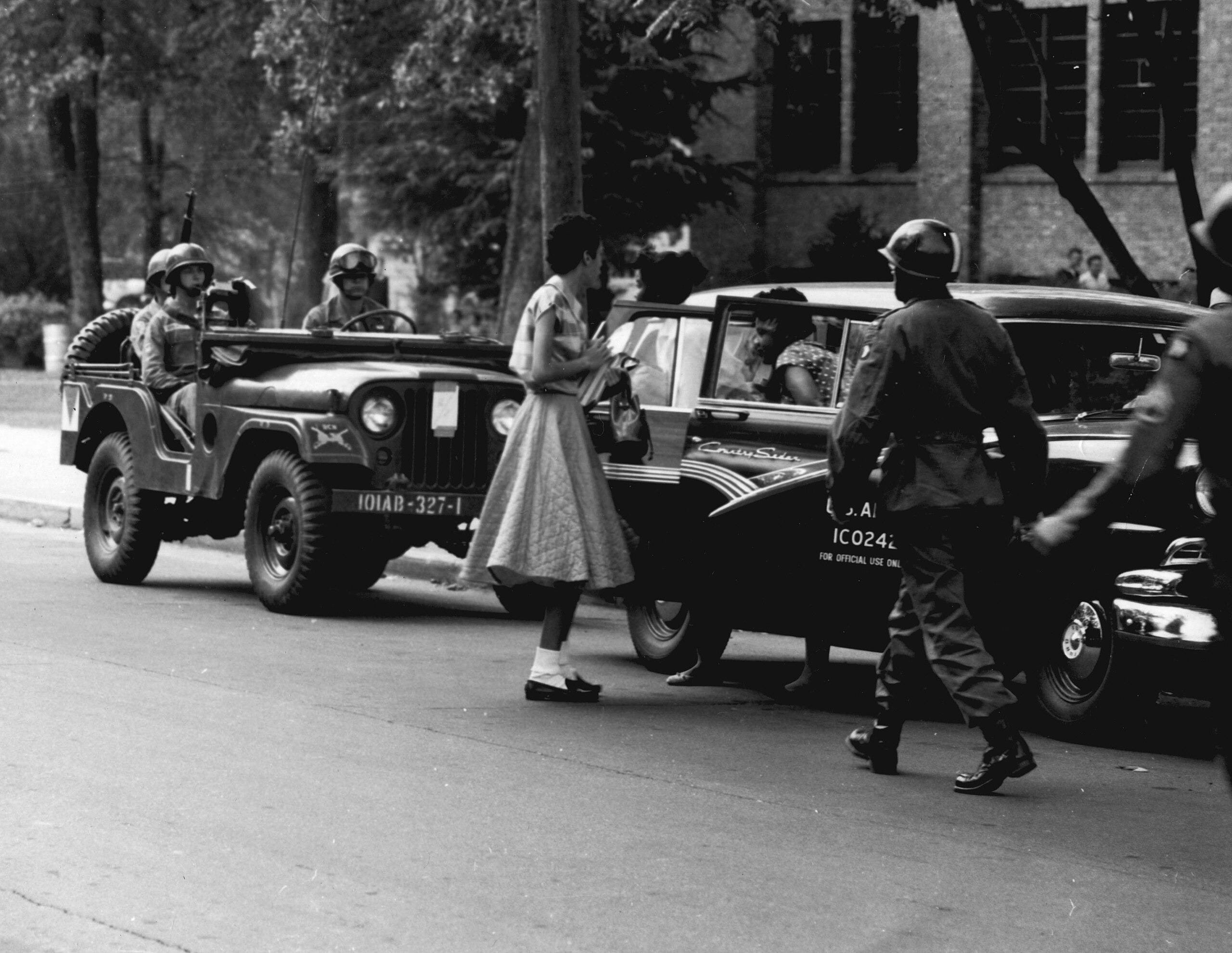
Q: Could you give us an explanation of what would happen if Trump were to enforce the Insurrection Act?
President Trump wrote yesterday on Truth Social that “if the corrupt politicians of Minnesota don’t obey the law and stop the professional agitators and insurrectionists from attacking the Patriots of I.C.E., who are only trying to do their job, I will institute the INSURRECTION ACT, which many Presidents have done before me, and quickly put an end to the travesty that is taking place in that once great State.”
Before we explain the Insurrection Act, it’s important to know about something called the Posse Comitatus Act, which President Rutherford B. Hayes signed into law in 1878. That law prevents the president from using the military as an arm of domestic law enforcement “except in cases and under circumstances expressly authorized by the Constitution or Act of Congress.” (Posse comitatus is Latin for “the power of the county.” In the legal context, it refers to a group of citizens who help the police keep the peace. Basically, the 1878 law is saying the military can’t be a posse comitatus, unless otherwise authorized.)
Since then, there are a fair number of laws that Congress has passed allowing the president to use the military for domestic law enforcement, essentially creating the exceptions that the Posse Comitatus Act hinted at. Per 16 U.S.C. § 23, the president can send troops if needed to protect Yellowstone National Park. Per 18 U.S.C. § 351, the military can help investigate the kidnapping or assassination of a member of Congress, Cabinet secretary, or Supreme Court justice. And so on.
The most famous (and perhaps broadest) of these exceptions is the Insurrection Act, which was originally enacted in 1807 but has been amended at various points since then.
The most relevant section of the law states:
Whenever the President considers that unlawful obstructions, combinations, or assemblages, or rebellion against the authority of the United States, make it impracticable to enforce the laws of the United States in any State by the ordinary course of judicial proceedings, he may call into Federal service such of the militia of any State, and use such of the armed forces, as he considers necessary to enforce those laws or to suppress the rebellion.
How would this be different than Trump deploying the National Guard, as he has done in other contexts?